
13.2K
Downloads
166
Episodes
Official Podcast of the South Carolina State Library
Episodes
Tuesday Nov 14, 2017
Tuesday Nov 14, 2017
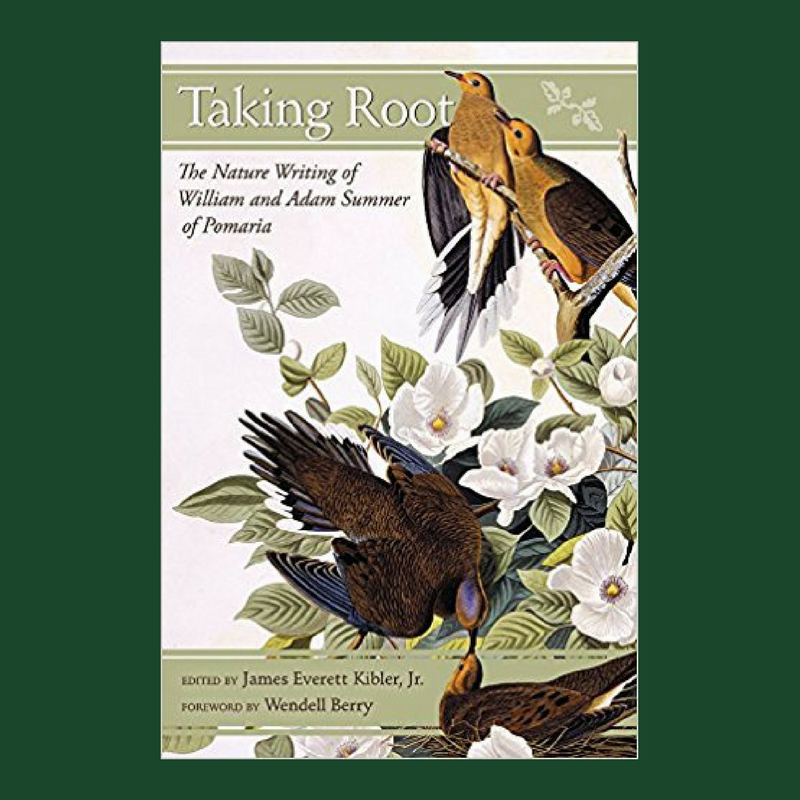
Dr. Curtis Rogers discusses a new University of South Carolina Press book by Dr. James Kibler, Taking Root: The Nature Writing of William and Adam Summer of Pomaria. William Summer founded the renowned Pomaria Nursery, which thrived from the 1840s to the 1870s in central South Carolina and became the center of a bustling town that today bears its name. The nursery grew into one of the most important American nurseries of the antebellum period, offering wide varieties of fruit trees and ornamentals to gardeners throughout the South. Summer also published catalogs containing well-selected and thoroughly tested varieties of plants and assisted his brother, Adam, in publishing several agricultural journals throughout the 1850s and up until 1862. In Taking Root, James Everett Kibler, Jr., collects for the first time the nature writing of William and Adam Summer, two of America’s earliest environmental authors. Their essays on sustainable ecology and their respect for Mother Earth have surprising relevance still today.
The Summer brothers owned farms in Newberry and Lexington Counties, where they created veritable experimental stations for plants adapted to the Southern climate. At its peak the nursery offered more than one thousand varieties of apples, pears, peaches, plums, figs, apricots, and grapes developed and chosen specifically for the southern environment, as well as offering an equal number of ornamentals, including four hundred varieties of repeat-blooming roses. The brothers experimented with sustainable farming, reforestation, land reclamation, soil regeneration, crop diversity rather than the prevalent cotton monoculture, and animal breeds accustomed to hot climates from Carolina to Central Florida.
Written over a span of two decades, their essays offer an impressive environmental ethic. By 1860 Adam had concluded that a person’s treatment of nature is a moral issue. Sustainability and long-term goals, rather than get-rich-quick schemes, were key to this philosophy. The brothers’ keen interest in literature is evident in the quality of their writing; their essays and sketches are always readable, sometimes poetic, and occasionally humorous and satiric. A representative sampling of their more-than-six hundred articles appears in this volume.
Wendell Berry, American novelist, poet, environmental activist, cultural critic, and farmer, provides a foreword.
Dr. James Everett Kibler, Jr., is the author of five novels and a volume of poetry, Poems from Scorched Earth, all with environmental themes. His agrarian chronicle, Our Fathers’ Fields, published by the University of South Carolina Press, won the Fellowship of Southern Writers Award for Nonfiction. Kibler has just completed a biography of Adam Summer and is editing William and Adam Summer’s garden calendar.
Links
- USC Press https://www.sc.edu/uscpress/books/2017/7774.html
- Wendell Berry https://en.wikipedia.org/wiki/Wendell_Berry
- Abbeville Institute: James Everett Kibler https://www.abbevilleinstitute.org/blog/author/james-kibler/
Wednesday Nov 01, 2017
Wednesday Nov 01, 2017
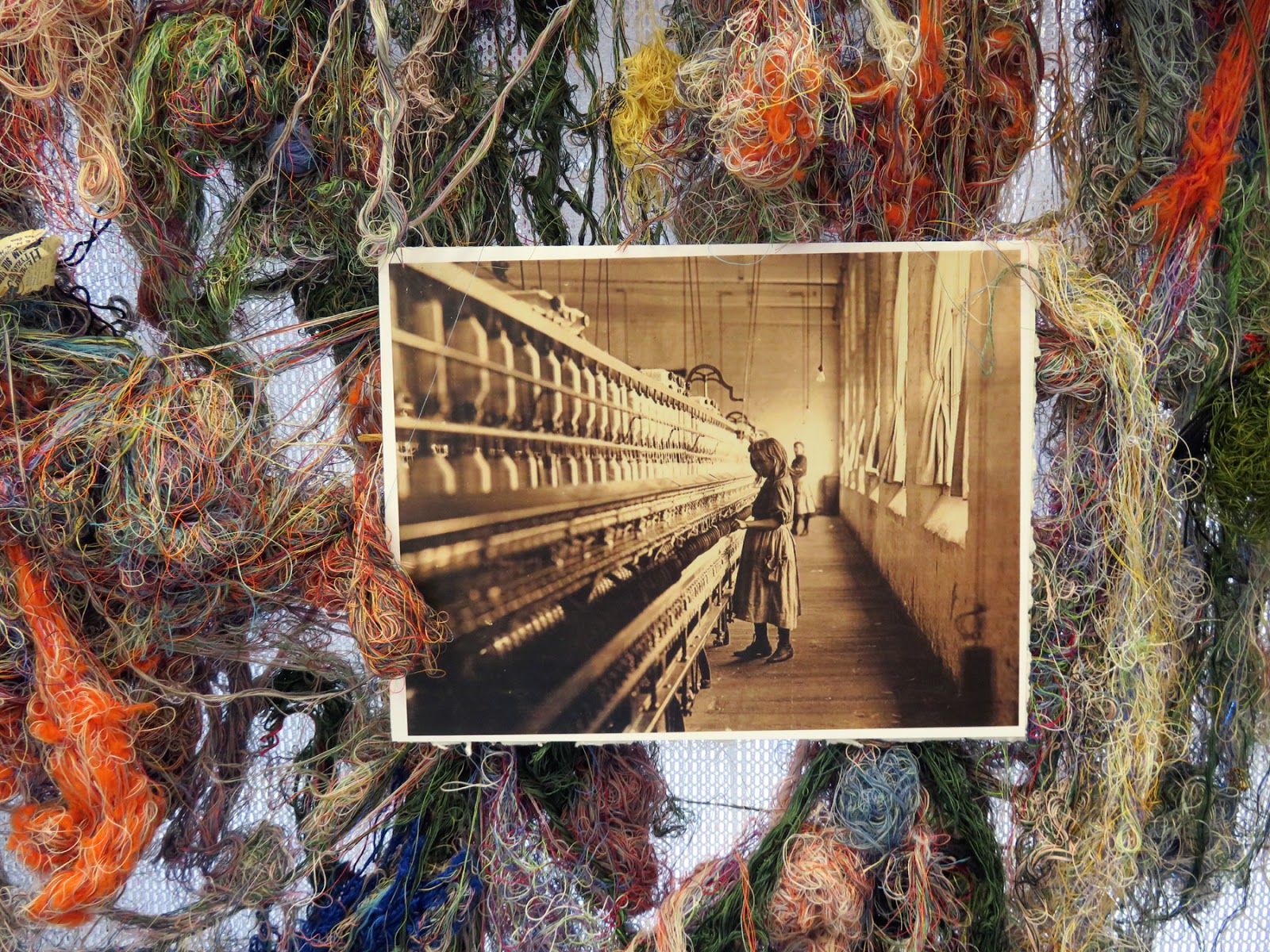
Dr. Curtis Rogers interviews Susan Lenz about her recent South Carolina State Library installation titled, “Threads: Gathering My Thoughts.” The textile industry had an enormous impact on South Carolina. From the late nineteenth century through most of the twentieth century, the textile industry dominated the state’s manufacturing. In the SC State Library’s exhibit, historical images were used to honor South Carolina’s rich textile legacy and teach how the textile industry shaped cultures, demographics, and economics in our state. This exhibit included the artwork of professional studio artist, Susan Lenz, whose work has been juried into numerous national and international exhibits, featured in solo shows all over the United States, and shown on television and in print. By combining historical South Carolina textile images with the creativity of Ms. Lenz, thread was used to symbolize the former abundance in Southern textile mills and a physical manifestation of millions of thoughts running through anyone’s brain. This exhibit explored an ongoing engagement - and entanglement - with fibers.
Links:
- Susan Lenz - http://www.susanlenz.com
- Threads at the State Library blog post - http://artbysusanlenz.blogspot.com/2017/09/threads-at-sc-state-library.html

Thursday Oct 19, 2017
Thursday Oct 19, 2017
Dr. Curtis Rogers interviews Clair DeLune, author of South Carolina Blues. The history of South Carolina blues is a long, deep—and sometimes painful—story. However, it is a narrative with aspects as compelling as the music itself. Geographical differences in America led to variations in the styles of music that developed from African rhythms. The wet, marshy landscape and hot, muggy weather of the Carolina Lowcountry combined to cultivate not only rice, but a Gullah-based style of South Carolina blues. In drier climates, toward the Midlands and the Upstate, the combination of European influences led to the emergence of Piedmont blues, which in turn spawned country music as well as bluegrass. Those same Gullah roots resulted in four major dance crazes, starting with the Charleston.
Links:
- Arcadia Publishing https://www.arcadiapublishing.com/Products/9781467114721
- Blues Moon Radio https://bluesmoonradio.blogspot.com/
Tuesday Oct 10, 2017
Tuesday Oct 10, 2017
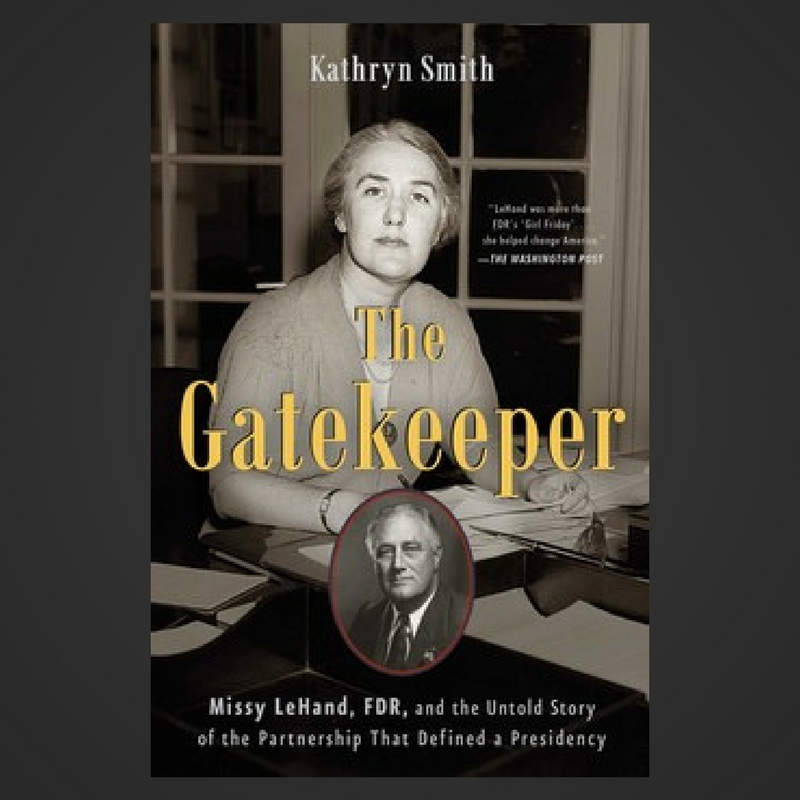
Dr. Curtis Rogers interviews Kathryn Smith who wrote The Gatekeeper: Missy LeHand, FDR and the Untold Story of the Partnership that Defined a Presidency. This is the first biography of the woman who is arguably the most influential member of Franklin Delano Roosevelt’s administration. The first female presidential secretary in U.S. history, Marguerite Alice “Missy” LeHand has been misrepresented, mischaracterized, and overlooked throughout history…until now. Far more than a secretary, Missy fulfilled the crucial duties of Chief of Staff (long before the position was formally created), and she was a persuasive voice in policy decisions and appointment recommendations. She was also FDR’s confidante, his support when he contracted polio, and his intimate friend.
Links:
- The Gatekeeper website: http://margueritelehand.com/
- Missy LeHand Facebook page: https://www.facebook.com/margueritelehand/
- Goodreads page: https://www.goodreads.com/book/show/27276312-the-gatekeeper
Wednesday Oct 04, 2017
Wednesday Oct 04, 2017
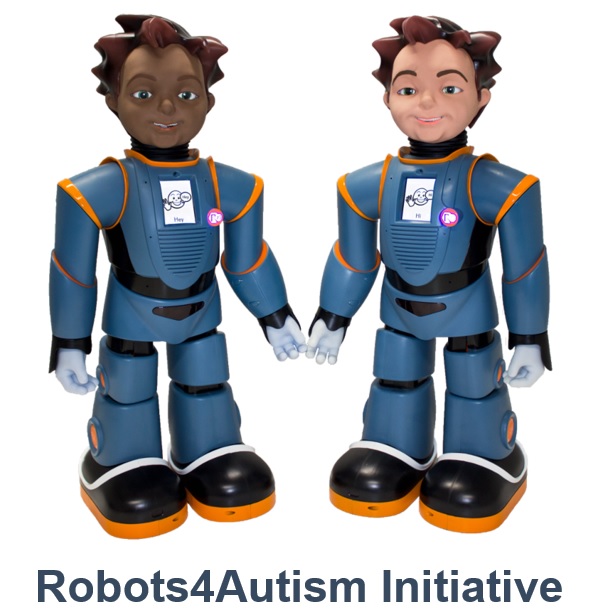
Dr. Curtis Rogers talks to Dr. Lisa Raiford, Elizabeth Moore, and Josh Findlay from the South Carolina State Department of Education’s Office of Special Education Services about the Robots4Autism Initiative and other assistive technology programs in South Carolina schools.
Since 2011, the number of students with Autism Spectrum Disorder (ASD) in South Carolina has nearly doubled from 4000 to over 8000 students in 2017. Recognizing the need to provide an evidence based curriculum for students with ASD and the need to support educators, the Office of Special Education Services invested in Milo and through the use of federal funds will pilot the humanoid robot and curriculum in 15 districts for a three year period.
Developed by RoboKind, a company based in Dallas, Milo teaches elementary and middle school age students the understanding and meaning of emotions and expressions, and demonstrates appropriate social behavior and responses. Through interactions with Milo, students learn to tune in on emotions, express empathy, act more appropriately in social situations, self-motivate, and generalize in the population.
Links:
- Robots4Autism Program https://robots4autism.com/
- Special Education Services Office https://ed.sc.gov/districts-schools/special-education-services/
- RoboKind http://robokind.com/
- Autism Spectrum Disorder Virtual Library https://ed.sc.gov/districts-schools/special-education-services/additional-information-and-assistance/asd-virtual-library/